

rose gold bathroom mirror
How to Turn Off the Main Water Valve Understanding how to turn off your main water valve is crucial for every homeowner. Whether you're facing a plumbing emergency, conducting repairs, or preparing for severe weather, knowing how to quickly and efficiently shut off your water supply can prevent significant damage and costly repairs. Why You Need to Know How to Turn Off Your Water Valve The main water valve controls the flow of water into your home from the municipal supply or well. In situations like burst pipes, overflowing toilets, or water heater leaks, turning off this valve can stop water from flooding your home. Additionally, if you’re going on vacation or if a hurricane is forecasted to hit your area, it’s wise to turn off the valve to minimize potential water-related issues. Locating Your Main Water Valve Before you can turn off your main water valve, you need to know where it’s located 1. Inside the Home The valve is often found in a basement, crawl space, or near your water meter. In colder climates, it is generally located inside the house to prevent freezing. 2. Outside the Home If you live in a situation without a basement (like ranch-style houses), the valve might be situated outside, typically near your home’s foundation or along the perimeter of your property. 3. Tail of the Water Meter If your home is connected to a municipal water supply, the valve is usually located directly after the water meter; this is the point where the city’s water supply enters your home. Types of Main Water Valves There are generally two types of main water valves gate valves and ball valves . - Gate Valve This type has a round wheel that you turn to open or close the valve. To shut it off, turn the wheel clockwise until it stops. Gate valves can be slow to operate and may require multiple turns. how to turn off main water valve - Ball Valve This valve is usually more efficient and features a lever handle. To turn it off, simply rotate the handle 90 degrees so that it is perpendicular to the pipe. This valve can be turned off with a single motion. Steps to Turn Off Your Main Water Valve 1. Identify the Type Determine whether you have a gate valve or a ball valve, as the method for turning it off differs. 2. Access the Valve Ensure the area around the valve is clear and accessible. If it’s in a basement or crawl space, clear away any stored items or debris. 3. Prepare Turn on a faucet at the highest point in your home. This helps to relieve any pressure in the pipes and forces most of the water out of the system. 4. Turn Off the Valve - For Gate Valve Slowly turn the round handle clockwise until it’s tightly closed. Be cautious; overtightening can damage the valve. - For Ball Valve Switch the lever handle perpendicular to the pipe direction. 5. Verify Go to the lowest faucet in your home and turn it on. If no water flows out, you’ve successfully turned off the main water valve. After Turning Off the Valve Once the main water valve is closed, you should address the issue that prompted the action, whether it’s calling a plumber for emergency repairs or waiting for storm conditions to improve. Remember to inspect your plumbing system regularly for leaks or signs of wear, as proactive maintenance can save you from emergencies in the future. Conclusion Knowing how to turn off your main water valve is an essential skill for any homeowner. By familiarizing yourself with its location and operation, you can take swift action during an emergency, ensuring the safety and integrity of your home. Don’t wait for an emergency to learn how to do this; take the time today to locate your valve and understand how it operates. Your future self will thank you!
about
rose gold bathroom mirror
How to Effectively Turn Off a Water Valve A Comprehensive Guide Water is an essential resource in our daily lives, but situations may arise when it is necessary to turn off the water supply to prevent leaks, undertake repairs, or manage emergencies. Understanding how to turn off your water valve is critical, and this guide will provide comprehensive steps to do so effectively. Understanding Water Valves Before diving into the methods for turning off a water valve, it's important to understand the different types of valves you may encounter in your home. The two primary types are 1. Main Water Valve This valve controls the entire water supply to your home. It is typically located close to where the water line enters your house, often found in the basement or the crawlspace. 2. Individual Fixture Valves These valves are located near specific fixtures, such as sinks, toilets, and washing machines. They allow you to turn off the water supply to a specific area without affecting the rest of the house. When to Turn Off the Water Valve There are several scenarios in which you would need to turn off your water supply. These include - Preventing Flooding If you discover a significant leak, turning off the main valve can help minimize water damage. - Performing Repairs Whether you’re fixing a leaky faucet or replacing a toilet, shutting off the water supply is a crucial safety step. - Winterization In colder months, turning off the valve can prevent pipes from freezing and bursting. turn off water valve Steps to Turn Off the Water Valve 1. Locate the Valve - If you need to turn off the main water valve, look for a round or oval-shaped handle near the point where the water enters your home. The valve may be made of brass, PVC, or steel. - For individual fixture valves, they are usually found directly behind or underneath the fixture. 2. Prepare the Area - Before turning off any valve, clear the area around it. Make sure you have enough space to work, and keep a towel nearby in case of spills. 3. Turn Off the Valve - For a gate valve (which has a round handle), turn the handle clockwise until it stops. This is the traditional way of closing a water valve. - For a ball valve (which has a lever), turn the lever 90 degrees so it is perpendicular to the pipe. This should effectively shut off the water supply. 4. Check for Water Flow - After turning off the valve, turn on a tap at the highest point in your home, such as a bathroom sink. Let it run until it’s clear of water. Then, check a tap at the lowest point, like a basement sink. This process ensures all water pressure is relieved from the pipes. 5. Perform Your Task - Whether you are making repairs, checking for leaks, or winterizing, carry out your task confidently knowing the water is turned off. 6. Turning the Water Back On - Once your work is complete, you can restore the water supply by reversing the steps. Turn the valve counterclockwise for a gate valve or bring the lever back to its original position on a ball valve. Again, check for any leaks after the water supply is restored. Conclusion Knowing how to turn off a water valve can save you from dealing with significant damage and costly repairs. Regular checks and maintenance of your valves can also ensure they function correctly when you need them most. Be sure to familiarize yourself with both your main and individual fixture valves; preparedness is key in managing the waterways of your home! Remember, timely action and proper techniques are essential to maintain the integrity of your plumbing system.
-

High quality industrial productsagement

High quality industrial products
View Details -

Meet the diverse needs of customers

Meet the diverse needs of customers
View Details -

Strict quality control

Strict quality control
View Details -

Top raw materials

Top raw materials
View Details -

Trusted supplier

Trusted supplier
View Details
Our application

news and information

Versatile and Compact Welding Workbench for Efficient Metal Fabrication
The Portable Welding Table A Essential Tool for Welders In the dynamic world of metalwork and fabric
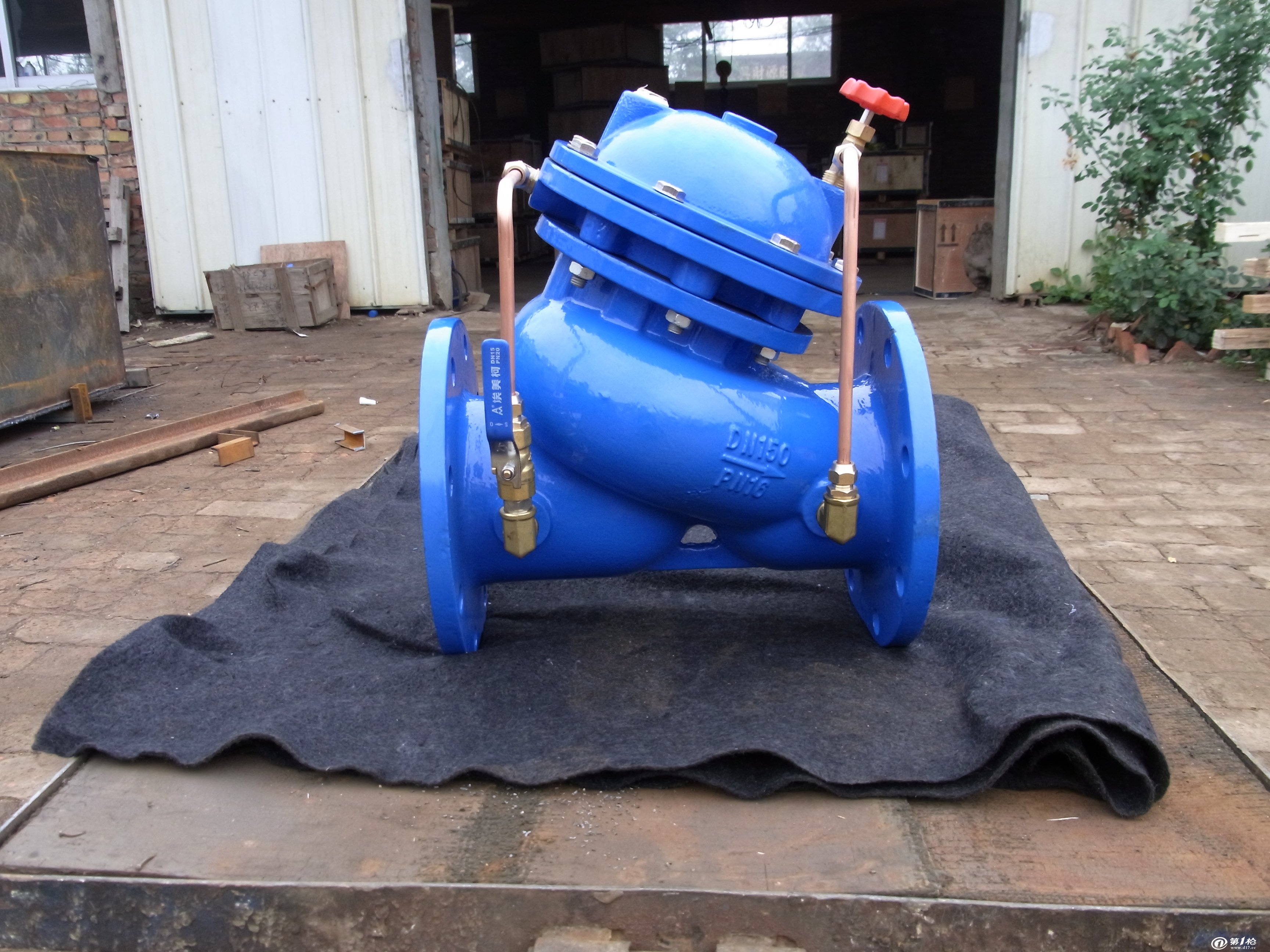
Válvula Principal de Água - Soluções Eficientes para Controle de Água
Válvula Principal de Água A Vital Importância no Sistema Hidráulico A válvula principal de água é um
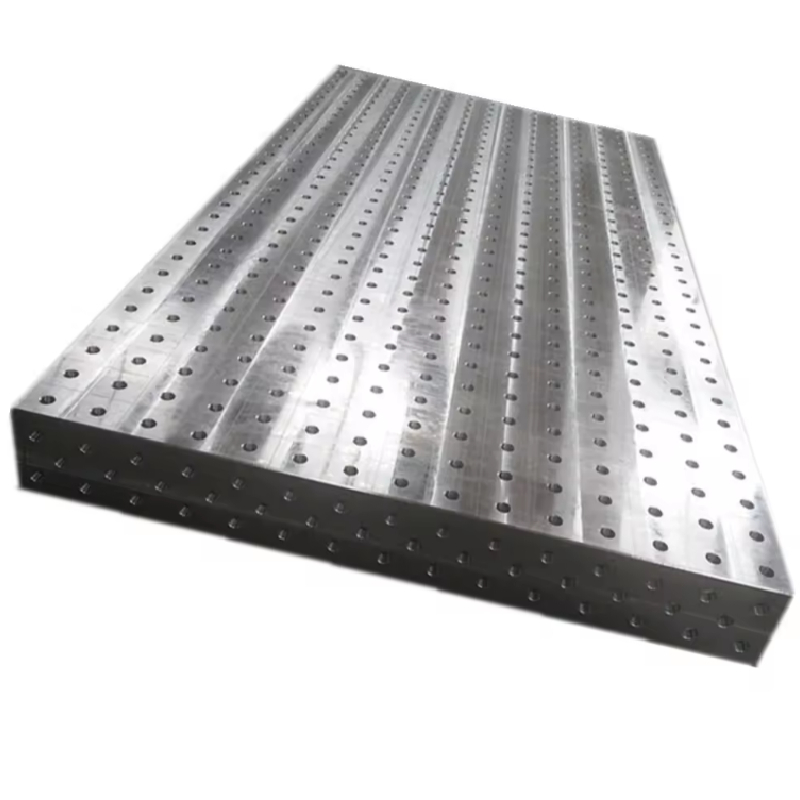
Versatile Ground Anchor Solutions for Securely Supporting Adjustable Structures and Outdoor Installa
Understanding Adjustable Post Ground Anchors A Comprehensive Guide In the field of construction and
 English